IXIARO JAPANESE ENCEPHALITIS VALNEVA

One vaccine can help protect them

Consider their risk. Consider immunization with IXIARO®.
Consider IXIARO® for your patients aged ≥2 months for the prevention of JE1
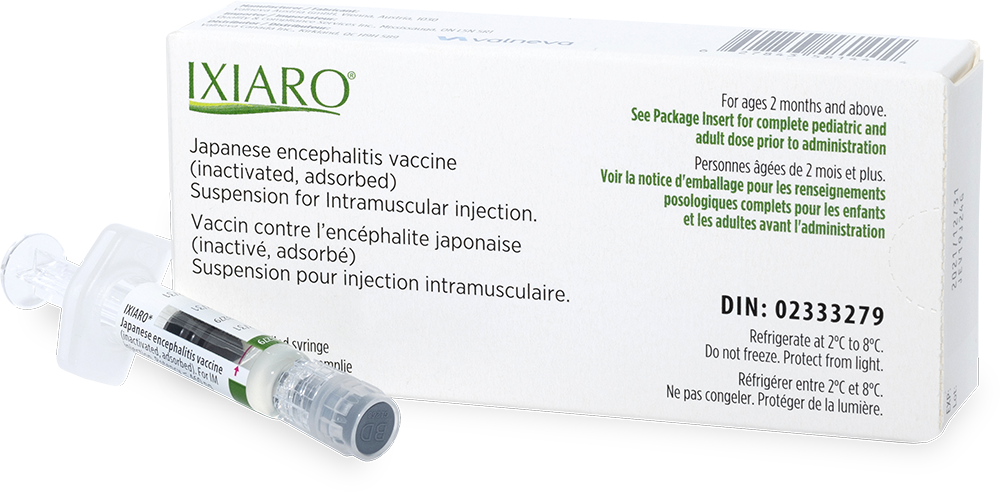
IXIARO® (Japanese Encephalitis vaccine inactivated, adsorbed), administered in a 2-dose vaccine schedule, is the only JE vaccine available in Canada.22
For more information on dosing schedules click here.
JE vaccine does not require to be dispensed or administered in a designated Public Health Agency of Canada Vaccination Center.22

Consider IXIARO® for your patients older than 2 months old at risk of JE exposure through travel or during their occupation.1

Roberto, 20

A young man visiting Thailand for 3 weeks without an itinerary

Tyler, 37 & Rosa, 34

A couple visiting family in the Philippines

Patrick, 53

A businessman travelling for 2 weeks to Vietnam for the second time in the past year
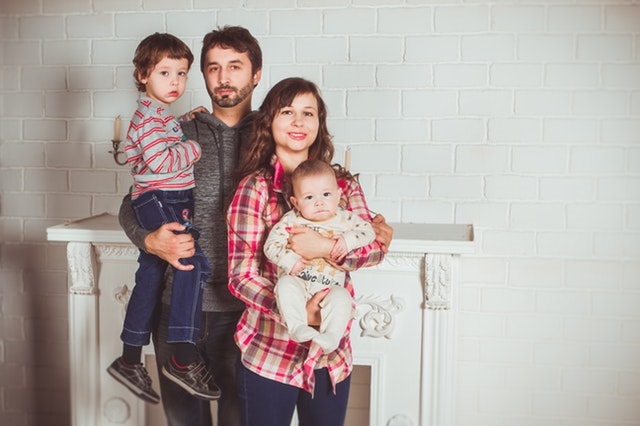
Jonathan 40, Linda 35, Emma 8, Noah 14 months

A family visiting Bali for 2 weeks
Use of IXIARO® during pregnancy or lactation should be avoided.1
For illustrative purpose only. Does not depict actual patient cases.

IXIARO® demonstrated efficacy

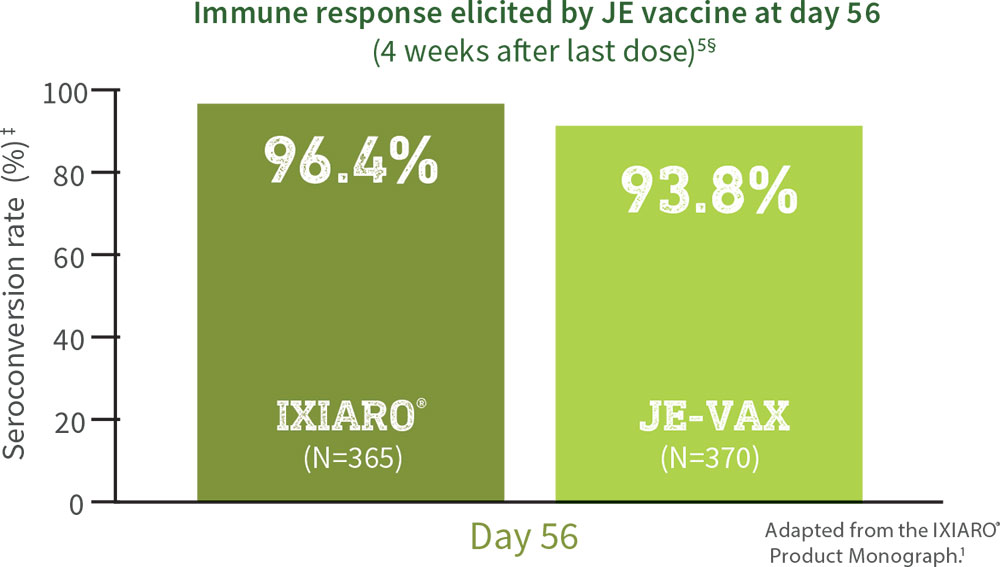
IXIARO® has been shown to provide effective immunization against JEV in adults1†‡

IXIARO® showed non-inferiority vs. JE-VAX (Risk difference estimate [95% CI]: 1.05 [-1.33; 3.43])
IXIARO® offers highly effective protection against JEV1

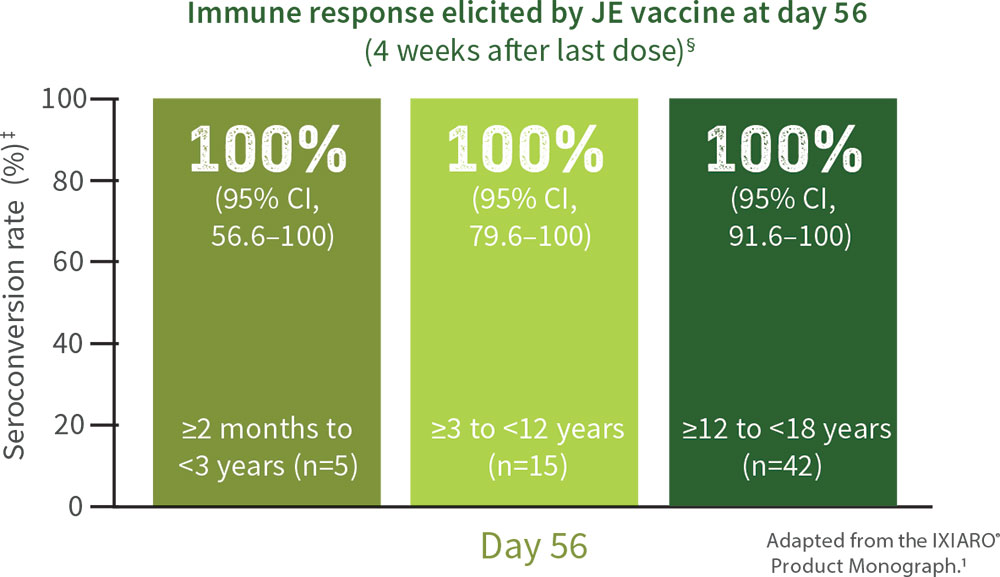
IXIARO® has also demonstrated effective immunization against JEV in pediatric populations in an open label study (secondary endpoints)

≥2 months to <3 years (n=5): 100% [95% CI, 56.6-100]
≥3 to <12 years (n=15): 100% [95% CI, 79.6-100]
≥12 to <18 years (n=42): 100% [95% CI, 91.6-100]
Y AXIS: Seroconversion rate (%)
X AXIS: Day 56
All pediatric subjects achieved SCR rates of 100% with IXIARO® at day 56

As with any other vaccine, vaccination with IXIARO® may not result in protection in all cases. IXIARO® will not protect against encephalitis caused by other micro-organisms.1

A randomized, active controlled, observer-blinded, non-inferiority, phase 3 study for IXIARO® vs. JE-VAX. Patients were either given 2 injections of IXIARO® (6 mcg in 0.5 mL) intramuscularly on days 0 and 28 and 1 injection 0.5 mL placebo vaccine at day 7, or 3 subcutaneous injections of JE-VAX (1.0 mL dose) on days 0, 7 and 28 for a duration of 6 months.1
Seroconversion (the threshold antibody level for protection) is defined as a PRNT50 titre ≥1:10, as recommended by the World Health Organization (WHO). The analysis of clinical efficacy for IXIARO® was done using this value as a cutoff.1
§
Comparative clinical significance unknown.
Open‐label, pediatric, phase 3 study conducted in 100 children aged 2 months to 18 years. IXIARO® was administered days 0 and 28 at a dose of 0.25 mL in children ≥2 months to <3 years, at a dose of 0.5 mL in subjects aged ≥3 years to <18 years old. Primary endpoint was rate of subjects with serious adverse events (SAEs) and medically-attended adverse events (AEs) up to Day 56 after the first vaccination. SCRs at day 56 and month 7 were secondary endpoints.1

SCR: seroconversion rate.

IXIARO® has an established safety and tolerability profile

  • The most common adverse reactions in the pooled safety analysis (n=4,043) in healthy adults aged 18 to 86 years included:1
    • Headache (incidence, 20%), myalgia (13%), fatigue (13%), injection site pain (33%) and injection site tenderness (33%)
  • The most common adverse reactions in clinical trials (n=1,559) in children and adolescents included:1
    • Children 2 months to <3 years old: pyrexia (28.5%), diarrhea (11.9%), influenza like illness (10.9%), irritability (10.9%), and injections site reactions (9.6%)
    • Children 3 years to <18 years old: injections site reactions (20.4%), pyrexia (10.4%), myalgia (7.1%), headache (6.1%) and fatigue (3.5%)

Dosing and administration

Dosing and administration in adults

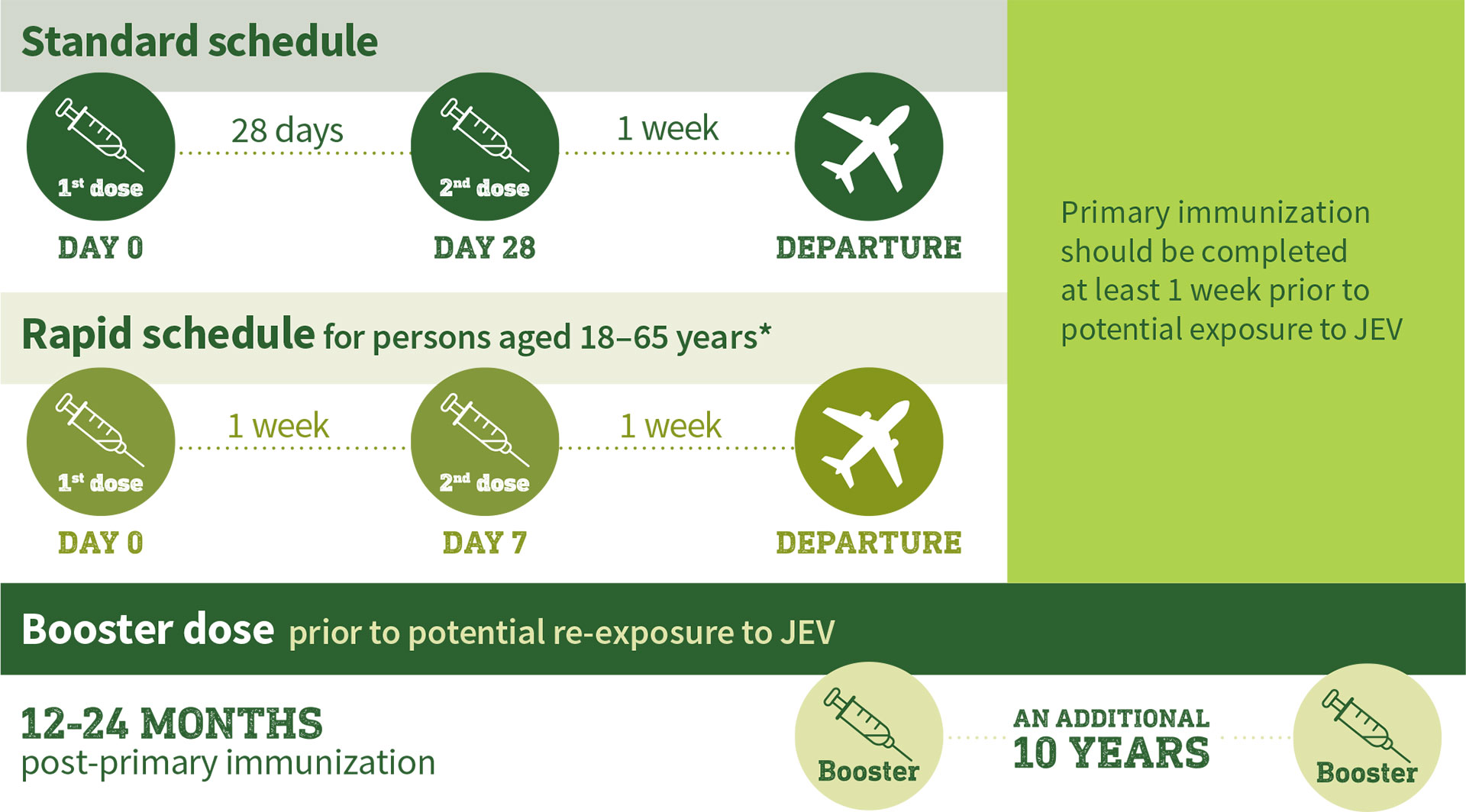
Recommended two-dose schedule in adults1
  • Long-term seroprotection data following a first booster dose administered 12–24 months after primary immunization suggest that a second booster should be given 10 years after the first booster dose, prior to potential exposure to JEV.
Graphic not made to scale.

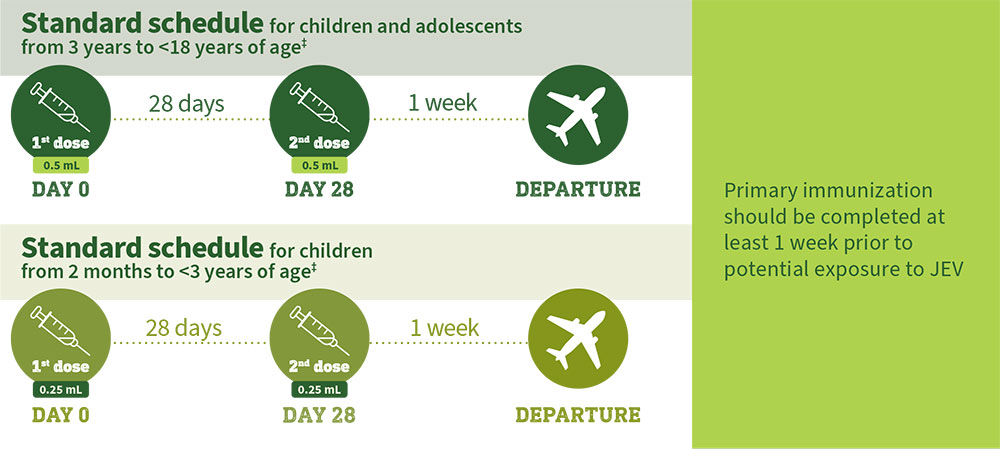
Dosing and administration in pediatric populations

Booster dose prior to potential re-exposure to JEV
  • A booster dose should be given within the second year (12 – 24 months) after primary immunization, prior to potential re-exposure to JEV.
  • Children and adolescents at continuous risk for acquiring JE (residing in endemic areas) should receive a booster dose at month 12 after primary immunization.
  • Children and adolescents from 3 years to <18 years of age should receive a single 0.5 mL booster dose.
  • Children from 14 months to <3 years of age should receive a single 0.25 mL booster dose.
  • No long-term seroprotection data beyond two years after a first booster administered 1 year after primary immunization has been generated in children.
Graphic not made to scale.
  • The recommended dose for adults 18 years of age and older is 0.5 mL per dose1
  • The recommended dose for children and adolescents 3 to 18 years old is 0.5 mL per dose1
  • The recommended dose for children from 2 months to less than 3 years is 0.25 mL per dose1
  • It is recommended that vaccinees who received the first dose of IXIARO® complete the primary 2-dose vaccination course with IXIARO®1
  • Administration is by intramuscular (IM) injection only1†
  • If co-administration with another vaccine is indicated, immunization should be carried out on separate limbs1
As with all injectable vaccines, appropriate medical treatment and supervision should always be available to treat rare cases of anaphylactic reactions following the administration of the vaccine.1
Please see the Product Monograph for complete dosing and administration instructions.
* In the event the primary series (Day 0 and Day 28) cannot be completed due to time constraints, a rapid immunization schedule (i.e. first dose at Day 0 and second dose at Day 7) in persons aged 18–65 years may be used.
† Exceptionally, IXIARO® may also be administered subcutaneously to patients with thrombocytopenia or bleeding disorders since bleeding may occur following an intramuscular administration. Subcutaneous administration could lead to a suboptimal response to the vaccine. There are no clinical efficacy data to support administration by the subcutaneous route.
‡ There are no data to support a rapid immunization schedule in children and adolescents (2 months to 17 year of age).

Additional information

Product characteristics

IXIARO® is a purified and inactivated JEV vaccine. The virus is grown in Vero cells, purified, inactivated, and then adsorbed on aluminium hydroxide. The final vaccine is in the form of a suspension in a pre-filled syringe. Each unit dose of IXIARO® contains inactivated JEV, strain SA14-14-2 having a potency ≤460 ng ED50 per 0.5 mL. The vaccine does not contain any preservative or antibiotic.1

Seroconversion

The analysis of clinical efficacy was done using a cutoff of a neutralizing antibody titre of ≥1:10, which was also used as a criterion for Seroconversion. Seroconversion or the threshold antibody level for protection is defined as a PRNT50 titre ≥1:10, as recommended by the World Health Organization (WHO) consultation group and is widely used worldwide. Experiments done in mice also confirmed the above mentioned fact. The PRNT or Plaque neutralization assay, measures virus neutralizing antibody that correlates with protection. The virus neutralising antibody titre is expressed as the serum dilution giving a 50% plaque or virus reduction (PRNT50) compared to 100% plaque formation in virus only control. All PRNT50 results are expressed as reciprocal titres. GMT was defined as the geometric mean of PRNT50 titres.1

Myth: Temporal and spatial distribution of JE can be predicted


Annual incidence JE is unpredictable. The number of cases may fluctuate from year to year, from season to season and from region to region.2,9

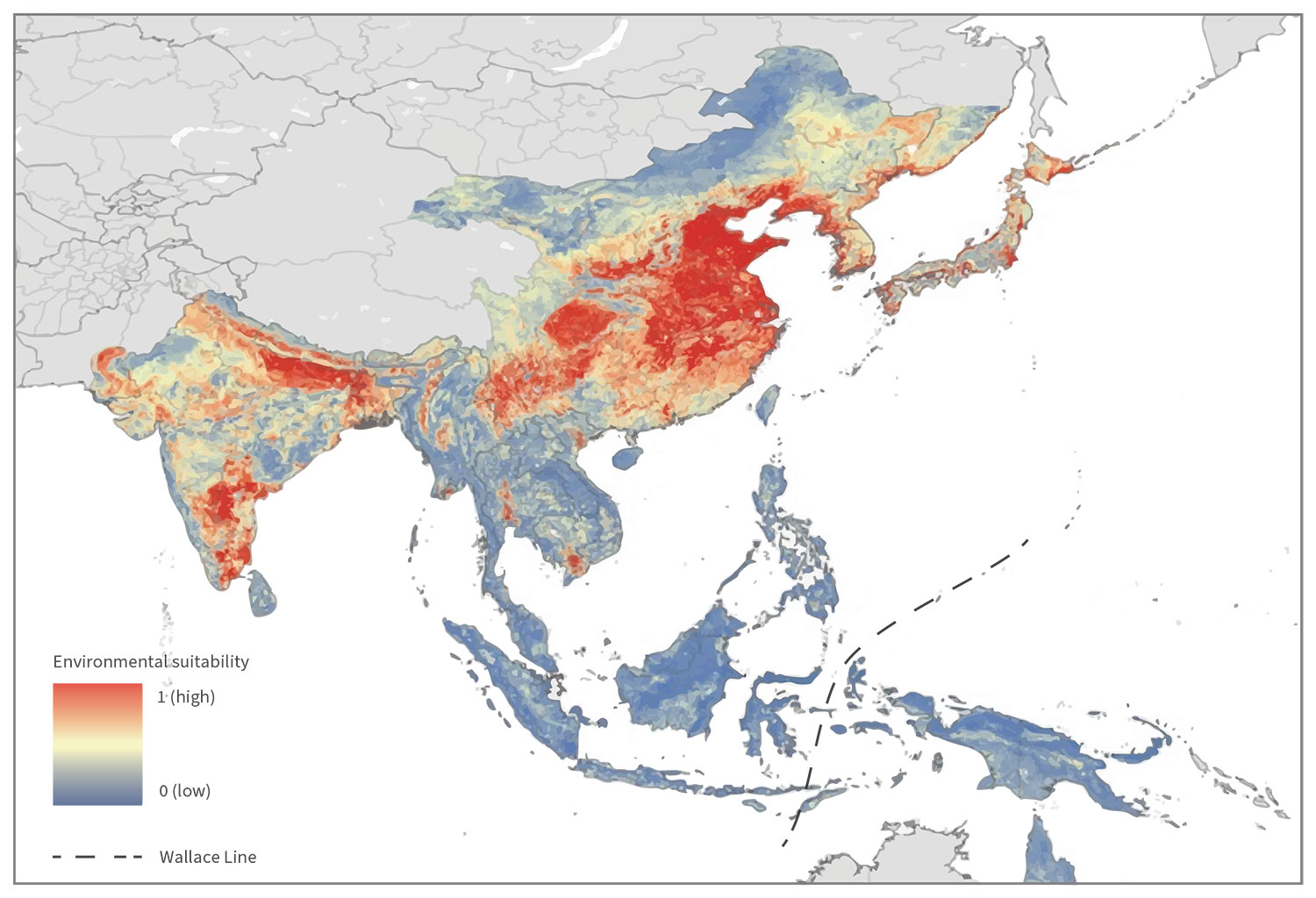
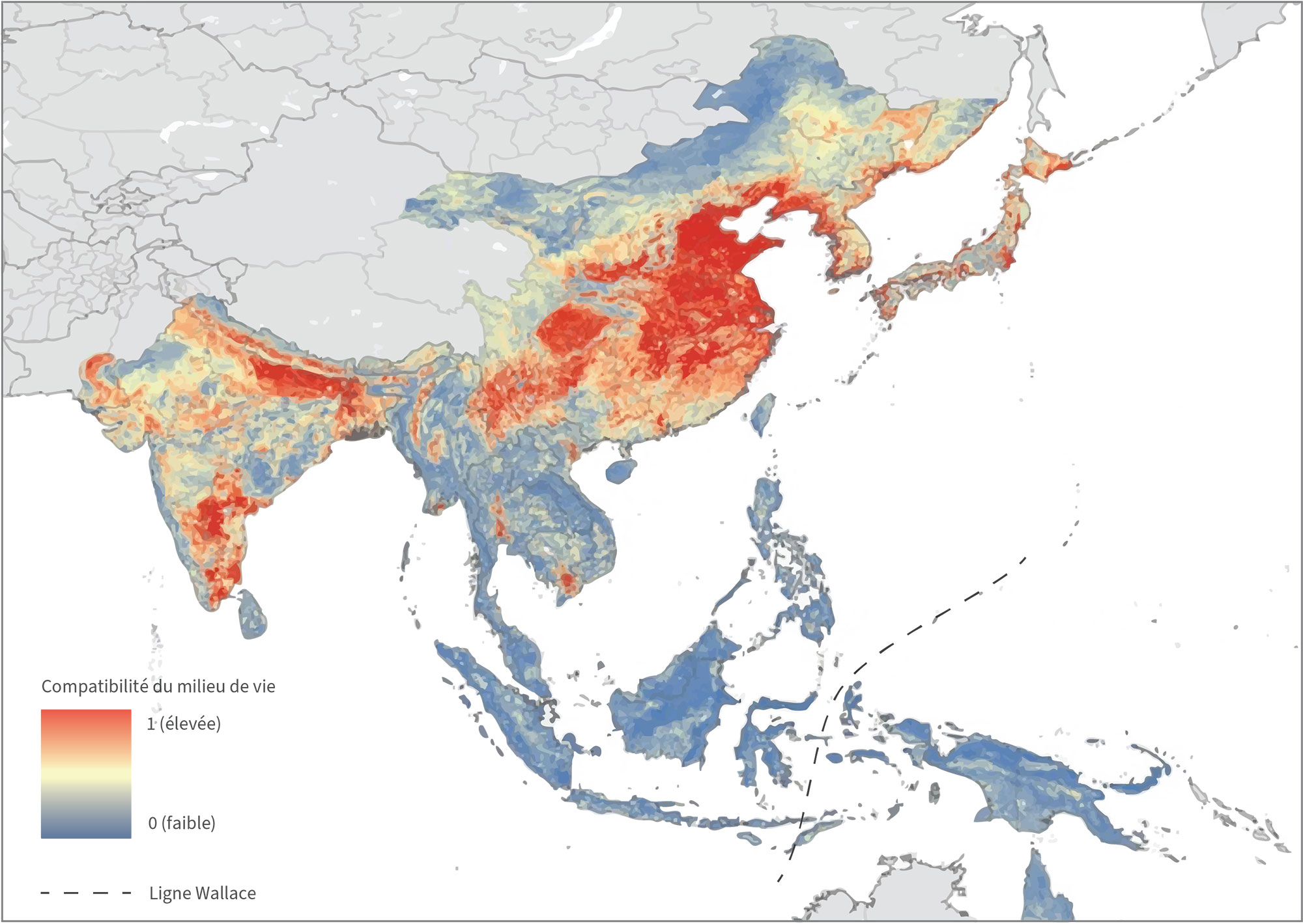
Predicted environmental suitability for Culex mosquitoes within areas at risk of JE transmission14


Adapted from Longbottom J, et al.( 2017).14

This will close in 0 seconds

Myth: Risk for JEV transmission only exists in rural areas


Besides rural areas, circulation of JEV has been demonstrated in mosquitoes within several cities in Southeast Asia.15,16

Visitors to areas where JE is endemic, or epidemic are at higher risk of being infected with JE compared to the local population.1

This will close in 0 seconds

Myth: JE only occurs in travellers staying 30 days or more in endemic countries


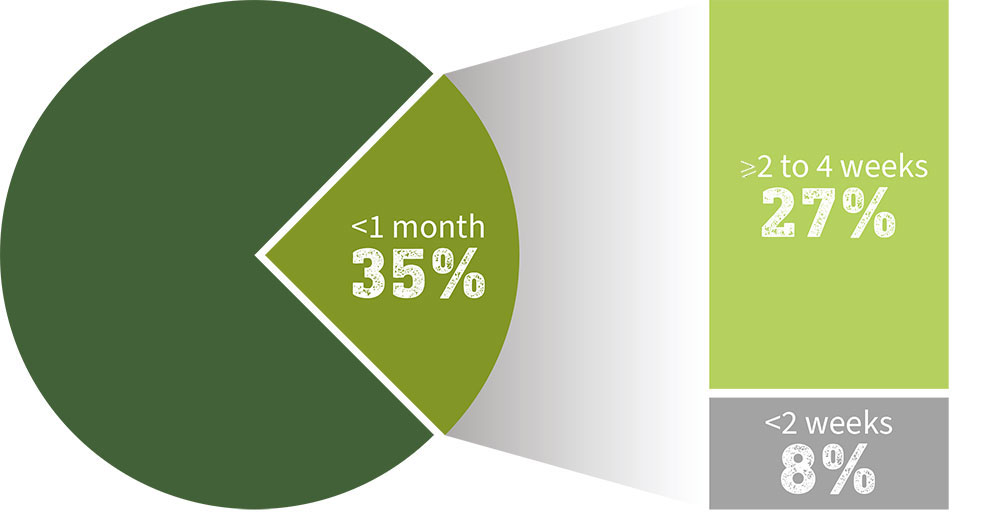
Symptomatic JE has occurred in travellers visiting areas for a duration of travel shorter than 1 month.3


Adapted from Hills et al.3

From 1973 to 2008, 35% of symptomatic JE cases occurred in stays <1 month (n = 55)
† Results from a retrospective study assessing 55 published JE cases in travellers from non-endemic areas who had visited or lived in an Asian or Western Pacific country with JEV transmission from 1973-2008.3

This will close in 0 seconds

Myth: Travellers are only bitten during the rainy season


Two epidemiologic patterns of JE occur:9

  1. In temperate areas, JE can be transmitted sporadically with periodic seasonal epidemics (May–October)
  2. In subtropical areas, JE is endemic, and transmission can occur throughout the year

Transmission may occur year-round9

Environmental factors can also play a key role in mosquito-borne transmission. This is especially due to climate change, which tends to influence the mosquito density.15

This will close in 0 seconds

Seasonality by country


Country Affected areas Transmission season
Australia Outer Torres Strait Islands, Tiwi Islands, and some areas of mainland (parts of New South Wales, Victoria, Queensland, South Australia, and Northern Territory) November–May
Bangladesh Widespread Year-round with most cases reported July–November
Bhutan Presumed widespread in nonmountainous areas Unknown
Brunei Darussalam Presumed widespread Unknown
Burma (Myanmar) Widespread Year-round with most cases reported May–September
Cambodia Widespread Year-round with peak season May–October
China All provinces except Xinjiang and Qinghai Peak season June–October
India Andhra Pradesh, Arunachal Pradesh, Assam, Bihar, Goa, Haryana, Jharkhand, Karnataka, Kerala, Maharashtra, Manipur, Meghalaya, Nagaland, Odisha, Punjab, Tamil Nadu, Telangana, Tripura, Uttar Pradesh, Uttarakhand, West Bengal Peak season May–November, especially in northern India; the season may be extended or year-round in some areas, especially in southern India
Indonesia Widespread Year-round, with peak season varying by island
Japan All islands June–October
Lao People’s Democratic Republic Widespread Year-round with peak season June–September
Malaysia Widespread Year-round, with peak season in Sarawak from October–December
Nepal Southern lowlands (Terai), some hill and mountain districts (the hilly Kathmandu Valley) Peak season June–October
North Korea Presumed widespread Unknown
Proximity to South Korea suggests peak transmission May–November
Pakistan Unknown Unknown
Papua New Guinea Widespread Presumed year-round
Philippines Widespread Year-round with peak season April–August
Russia Primorsky Krai June–September
Singapore Presumed in focal areas Year-round
South Korea Widespread May–November
Sri Lanka Widespread except in mountainous areas Year-round with peak season
November–February
Taiwan Widespread Peak season May–October
Thailand Widespread Year-round with peak season May–October, especially in northern Thailand
Highest rates of disease reported from Chiang Mai Valley
Several traveller cases reported in recent years from resort and coastal areas of southern Thailand
Timor-Leste Presumed widespread No data
Proximity to West Timor suggests year-round
Vietnam Widespread Year-round with peak season May–October, especially in northern Vietnam
† Destination and transmission season information should be considered in association with travel duration and activities when making decisions on vaccination.13
‡ Data are based on published and unpublished reports. Risk assessments should be performed cautiously, because risk can vary within areas and from year to year, and surveillance data regarding human cases and JEV transmission are often incomplete. In some endemic areas, human cases among residents are limited because of vaccination or natural immunity among older people. However, because JEV is maintained in an enzootic cycle between animals and mosquitoes, susceptible visitors to these areas still may be at risk for infection.13
§ Outbreaks previously occurred in the Western Pacific Islands of Guam (1947–1948) and Saipan (1990), but as they are no longer considered risk areas, they are not included in the table.13

This will close in 0 seconds

Caractère saisonnier de l’encéphalite japonaise en fonction du pays


Pays Régions touchées Saison de transmission
Australie Îles du détroit de Torrès, îles Tiwi et certaines régions continentales (parties de la Nouvelle-Galles du Sud, de Victoria, du Queensland, de l’Australie-Méridionale et du Territoire du Nord) Novembre à mai
Bangladesh Transmission généralisée À l’année, mais la majorité des cas sont signalés entre juillet et novembre
Bhoutan Transmission présumée dans les régions non montagneuses Aucune donnée
Birmanie (Myanmar) Transmission généralisée À l’année; majorité des cas signalés entre mai et septembre
Brunei Darussalam Transmission généralisée présumée Aucune donnée
Cambodge Transmission généralisée À l’année; saison de pointe de mai à octobre
Chine Dans toutes les provinces sauf Xinjiang et Qinghai Saison de pointe : de juin à octobre
Corée du Nord Transmission généralisée présumée Aucune donnée
La proximité avec la Corée du Sud donne à croire que la saison de pointe est de mai à novembre
Corée du Sud Transmission généralisée Mai à novembre
Inde Andhra Pradesh, Arunachal Pradesh, Assam, Bengale occidental, Bihar, Goa, Haryana, Jharkhand, Karnataka, Kerala, Maharashtra, Manipur, Meghalaya, Nagaland, Odisha, Pendjab, Tamil Nadu, Telangana, Tripura, Uttar Pradesh, Uttarakhand Saison de pointe : de mai à novembre, particulièrement en Inde du Nord; la saison pourrait être prolongée ou annuelle dans certaines régions, en particulier dans le sud de l’Inde
Indonésie Transmission généralisée Toute l’année; saison de pointe variable selon l’île visitée
Japon Toutes les îles Juin à octobre
Malaisie Transmission généralisée Toute l’année; saison de pointe à Sarawak d’octobre à décembre
Népal Basses-Terres du Sud (Terai), certains districts dans les collines et les montagnes (la vallée montagneuse de Katmandou) Saison de pointe de juin à octobre
Pakistan Aucune donnée Aucune donnée
Papouasie-Nouvelle-Guinée Transmission généralisée Transmission toute l’année présumée
Philippines Transmission généralisée Toute l’année; saison de pointe d’avril à août
République démocratique populaire lao Transmission généralisée Toute l’année; saison de pointe de juin à septembre
Russie Kraï du Primorié De juin à septembre
Singapour De cas présumément signalés dans les secteurs d’intérêt Toute l’année
Sri Lanka Transmission généralisée sauf dans les régions montagneuses Toute l’année; saison de pointe de novembre à février
Taïwan Transmission généralisée Saison de pointe : de mai à octobre
Thaïlande Transmission généralisée Toute l’année; saison de pointe de mai à octobre, particulièrement au nord; les taux les plus élevés de maladie sont signalés dans la vallée du Chiang Mai; plusieurs cas ont récemment été signalés chez des voyageurs en visite dans les régions touristiques ou côtières de la Thaïlande du Sud
Timor-Leste Transmission généralisée présumée Aucune donnée
La proximité avec le Timor occidental donne à croire que la saison dure toute l’année
Vietnam Transmission généralisée Toute l’année; saison de pointe de mai à octobre, particulièrement au nord
† Pour décider des vaccins à administrer, on doit examiner les données concernant la destination et les saisons de transmission en fonction de la durée du voyage et des activités prévues.
‡ Les données sont tirées de rapports publiés et non publiés. L’évaluation du risque doit s’effectuer avec prudence, car le risque peut varier à l’intérieur d’une même région et d’année en année, et parce que les données de surveillance concernant les cas chez l’humain et la transmission du virus de l’encéphalite japonaise sont souvent incomplètes. Dans certaines régions où le virus est endémique, les cas chez les résidents humains sont limités en raison de la vaccination ou de l’immunité naturelle chez les personnes âgées. Cependant, parce que le virus de l’encéphalite japonaise se maintient dans un cycle enzootique entre les animaux et les moustiques, les visiteurs susceptibles de contracter le virus qui se rendent dans ces régions pourraient être à risque d’infection.
§ Des éclosions se sont produites dans l’île de Guam (1947-1948) et à Saipan (1990), mais ces pays ne figurent pas dans le présent tableau, car ils ne sont plus considérés comme des régions à risque.

This will close in 0 seconds

Mythe : Les voyageurs se font piquer seulement durant la saison des pluies.


Le tableau épidémiologique de l’encéphalite japonaise est double9 :

  1. Dans les régions tempérées, l’encéphalite japonaise peut se transmettre de manière sporadique avec des épidémies saisonnières périodiques (de mai à octobre).
  2. Dans les régions subtropicales, l’encéphalite japonaise est endémique; la transmission peut survenir à tout moment de l’année.
 

La transmission peut survenir toute l’année9.


Les facteurs environnementaux peuvent également jouer un rôle important dans la transmission des maladies par les moustiques. Ceci est particulièrement vrai en contexte de changement climatique susceptible d’influencer la densité des moustiques15.

This will close in 0 seconds

Mythe : L’encéphalite japonaise ne survient que chez les voyageurs qui séjournent durant 30 jours et plus dans les pays où le virus est endémique.


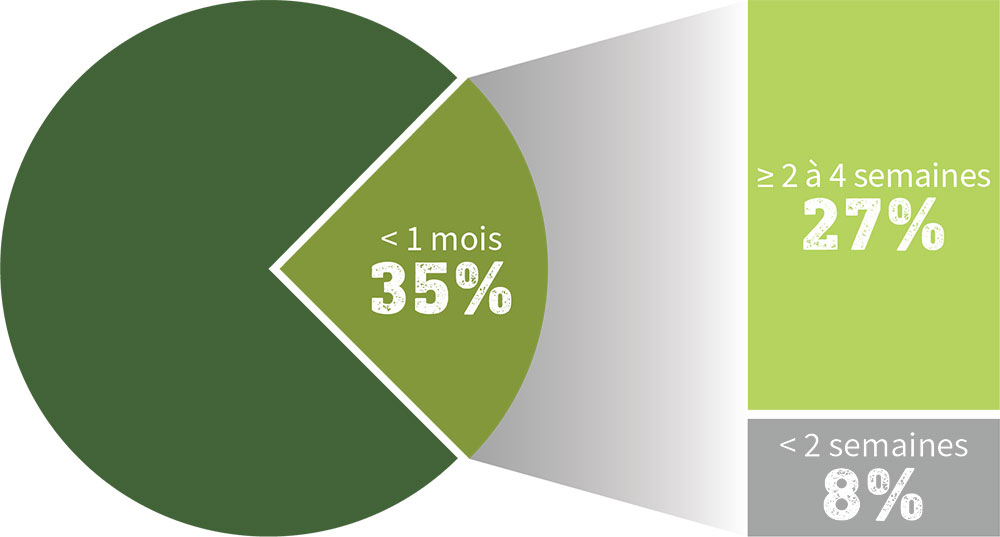
L’encéphalite japonaise symptomatique est survenue chez des voyageurs qui ont séjourné moins de 1 mois dans des régions à risque3.


D’après Hills et al.3
Entre 1973 et 2008, 35 % (n = 55) des cas symptomatiques d’encéphalite japonaise sont survenus lors de séjours de moins de 1 mois.

† Résultats d’une étude rétrospective évaluant 55 cas publiés d’encéphalite japonaise chez des personnes originaires de pays où la maladie n’est pas endémique ayant visité un pays asiatique ou du Pacifique occidental ou y ayant vécu entre 1973 et 20083.

This will close in 0 seconds

Mythe : Le risque de transmission du virus de l’encéphalite japonaise n’existe que dans les régions rurales.


La présence du virus de l’encéphalite japonaise dans des moustiques a été démontrée non seulement dans les régions rurales, mais aussi dans plusieurs villes de l’Asie du Sud-Est15,16.

Les visiteurs qui se rendent dans les endroits où l’encéphalite japonaise est endémique ou épidémique sont à risque plus élevé de contracter une infection au virus de l’encéphalite japonaise comparativement à la population locale1 .

This will close in 0 seconds

Mythe : La distribution chronologique et géographique de l’encéphalite japonaise est prévisible.


L’incidence annuelle de l’encéphalite japonaise est imprévisible. Le nombre de cas pourrait varier d’année en année, de saison en saison et de région en région2,9.

Compatibilité prédite du milieu de vie des moustiques du genre Culex dans les zones à risque de transmission de l’encéphalite japonaise14

D’après Longbottom J, et al.( 2017)14.

This will close in 0 seconds

Déclarer une réaction indésirable pouvant être liée au médicament


This will close in 0 seconds

Report a possible adverse drug reaction


This will close in 0 seconds

Want to stay up to date? Sign up to receive all the latest information from Valneva about IXIARO®.

    This will close in 0 seconds

    Vous voulez rester informé? Inscrivez-vous pour recevoir de Valneva les toutes les dernières nouvelles sur IXIARO®.

      This will close in 0 seconds